Seen by Design
Seen by Design is a project about helping older adults navigate an increasingly digital world through safer, calmer, and more supportive technology.
UIUX Design
Branding
Adobe Photoshop
Figma
Individual Project
3 - week course project
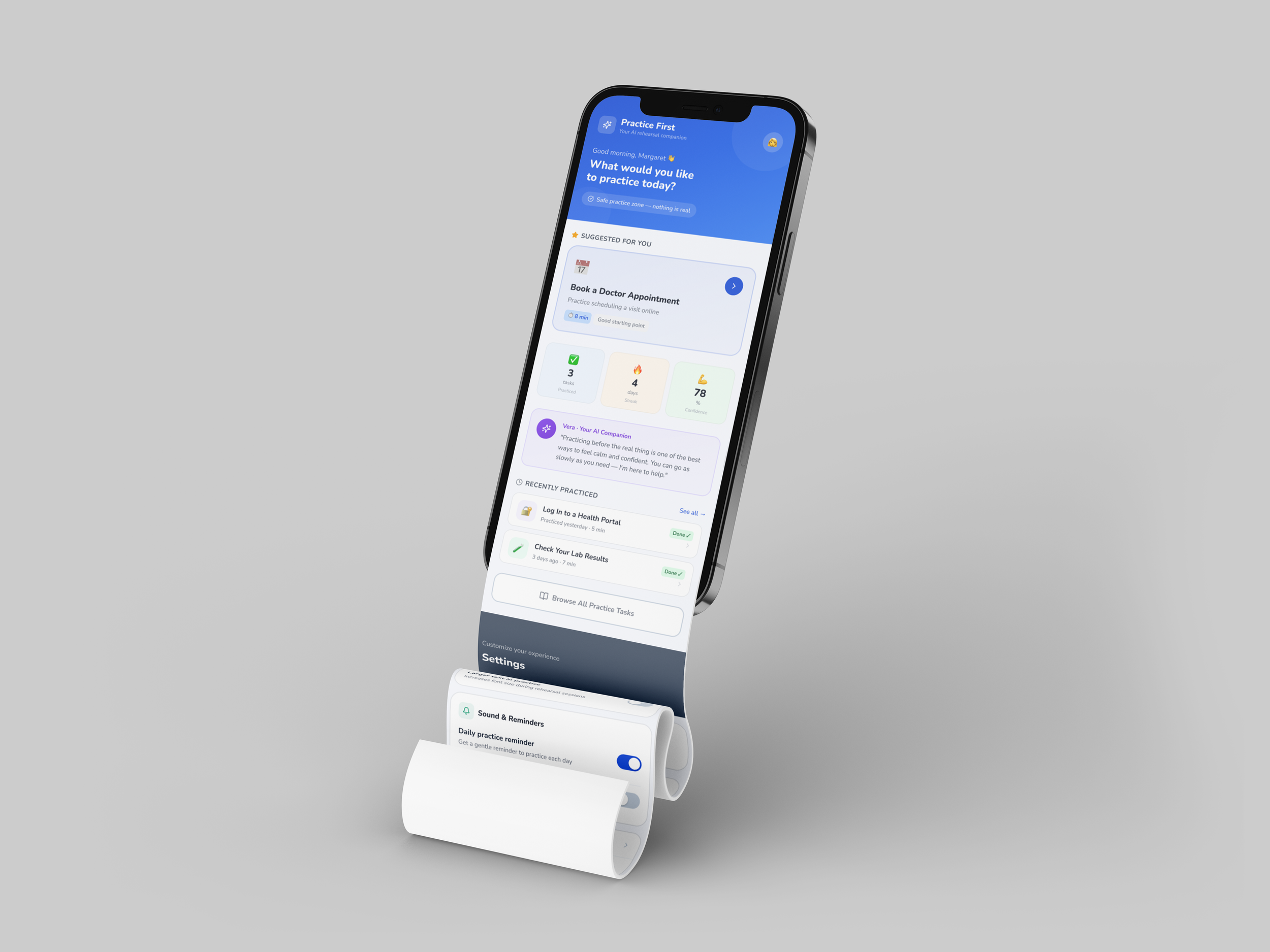
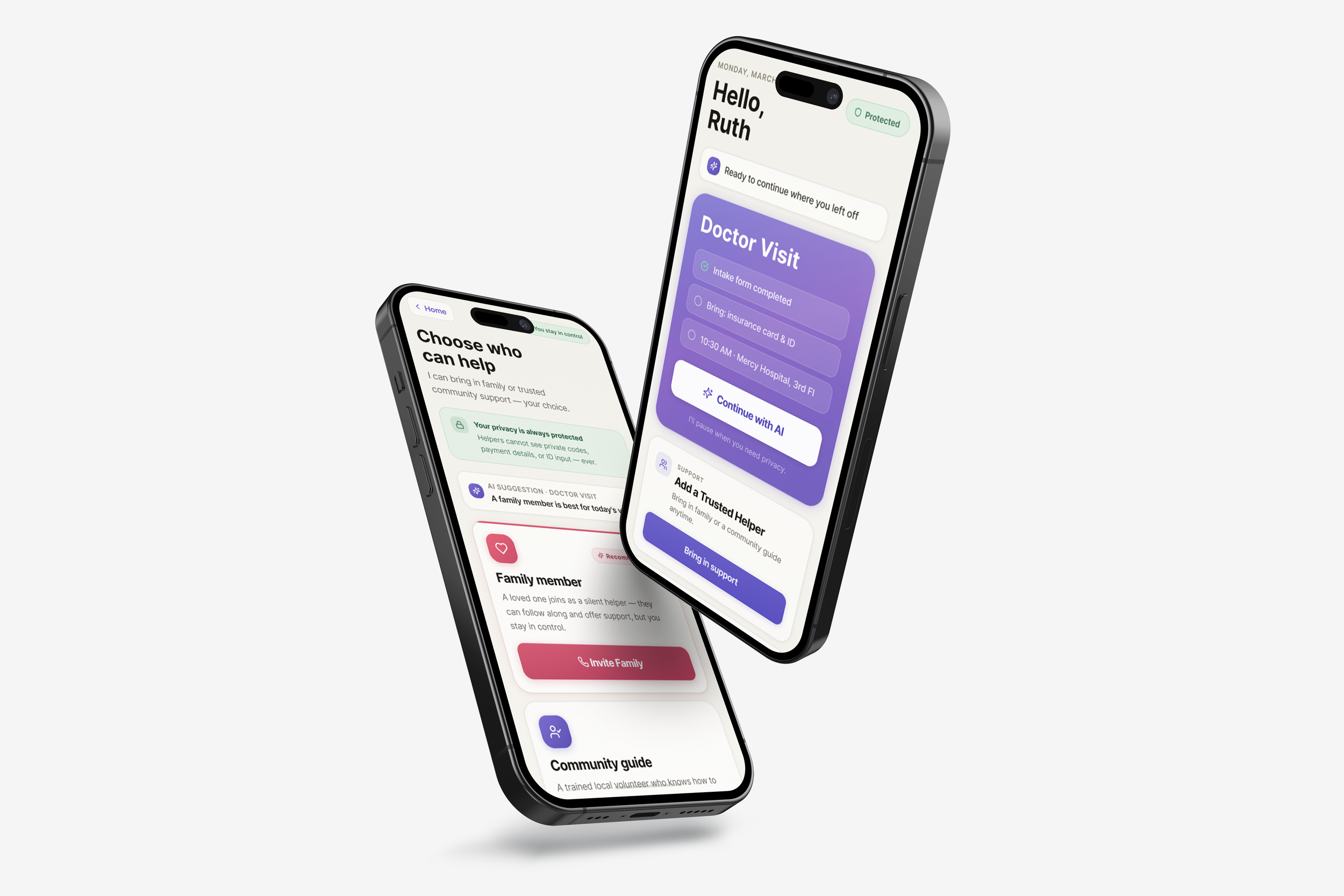
This project is a privacy-first support platform designed for people navigating vulnerable or invisible life experiences. It combines calm, accessible mobile interactions with guided AI support, helping users navigate sensitive moments at their own pace while protecting their dignity, autonomy, and emotional safety. The design focuses on trust, clarity, and human-centered care, creating a digital experience that feels supportive without being intrusive.
“I started this project with my grandmother in mind — and with a desire to design for people whose needs are often unseen.”
Researches
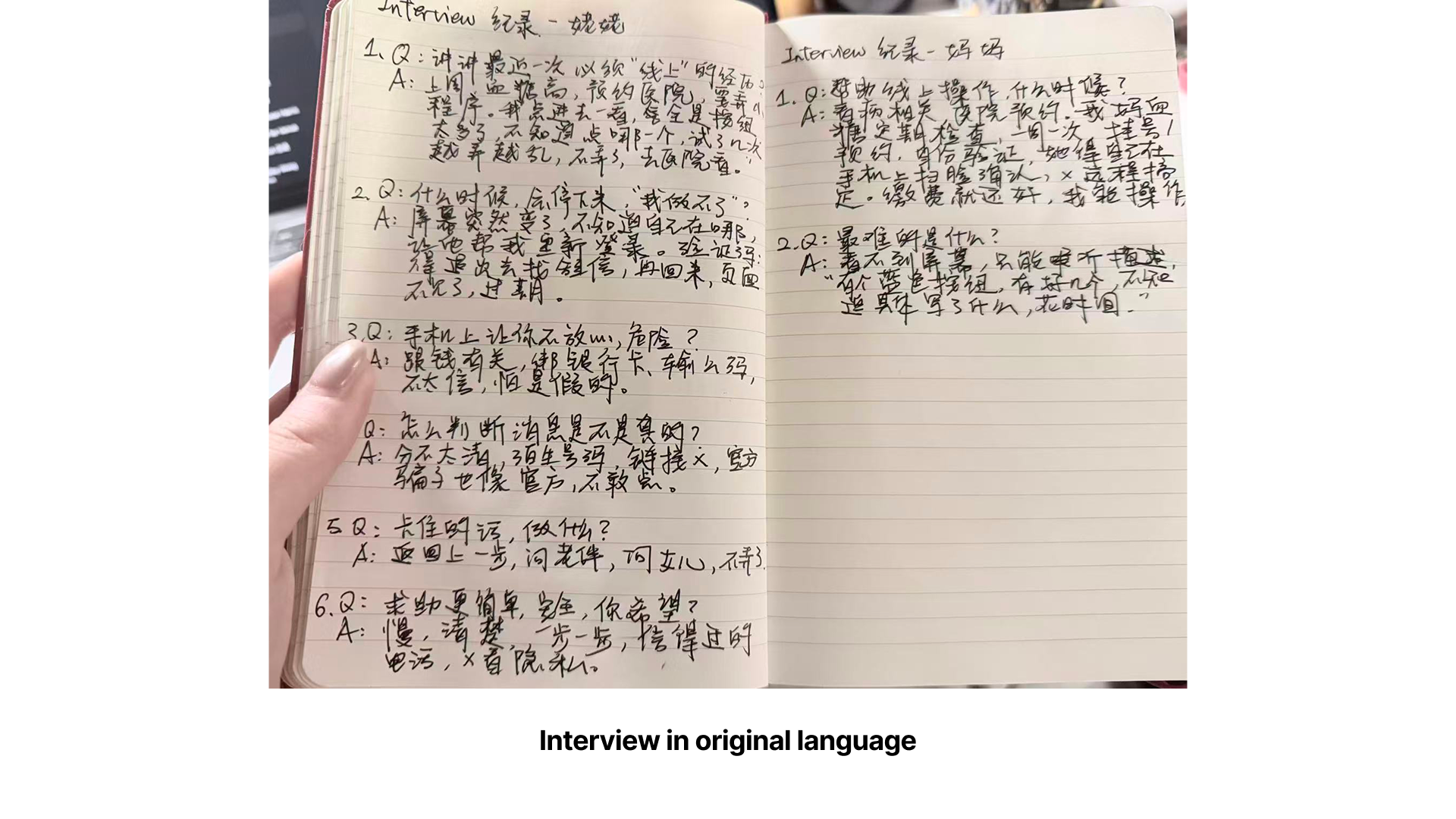
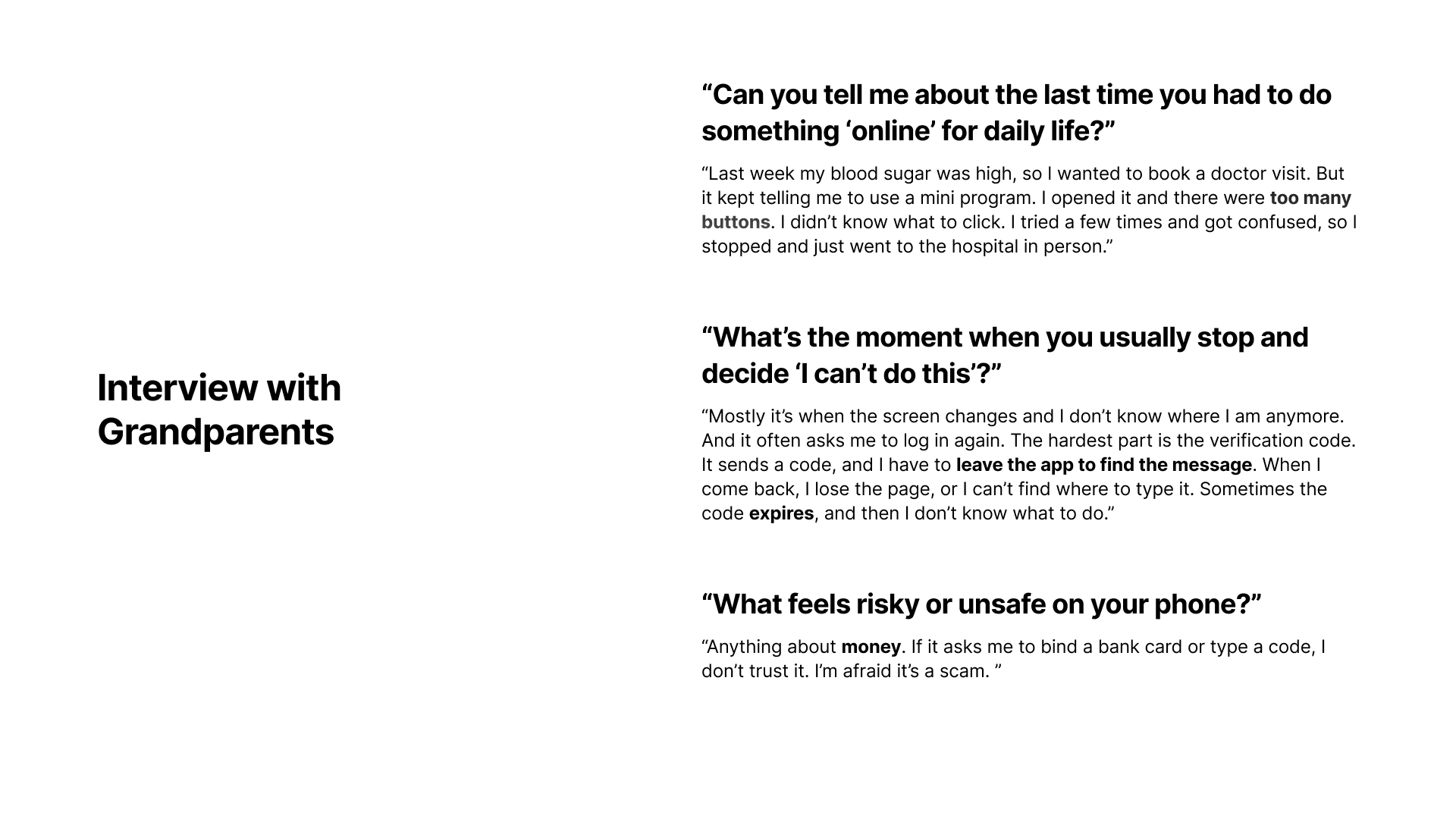
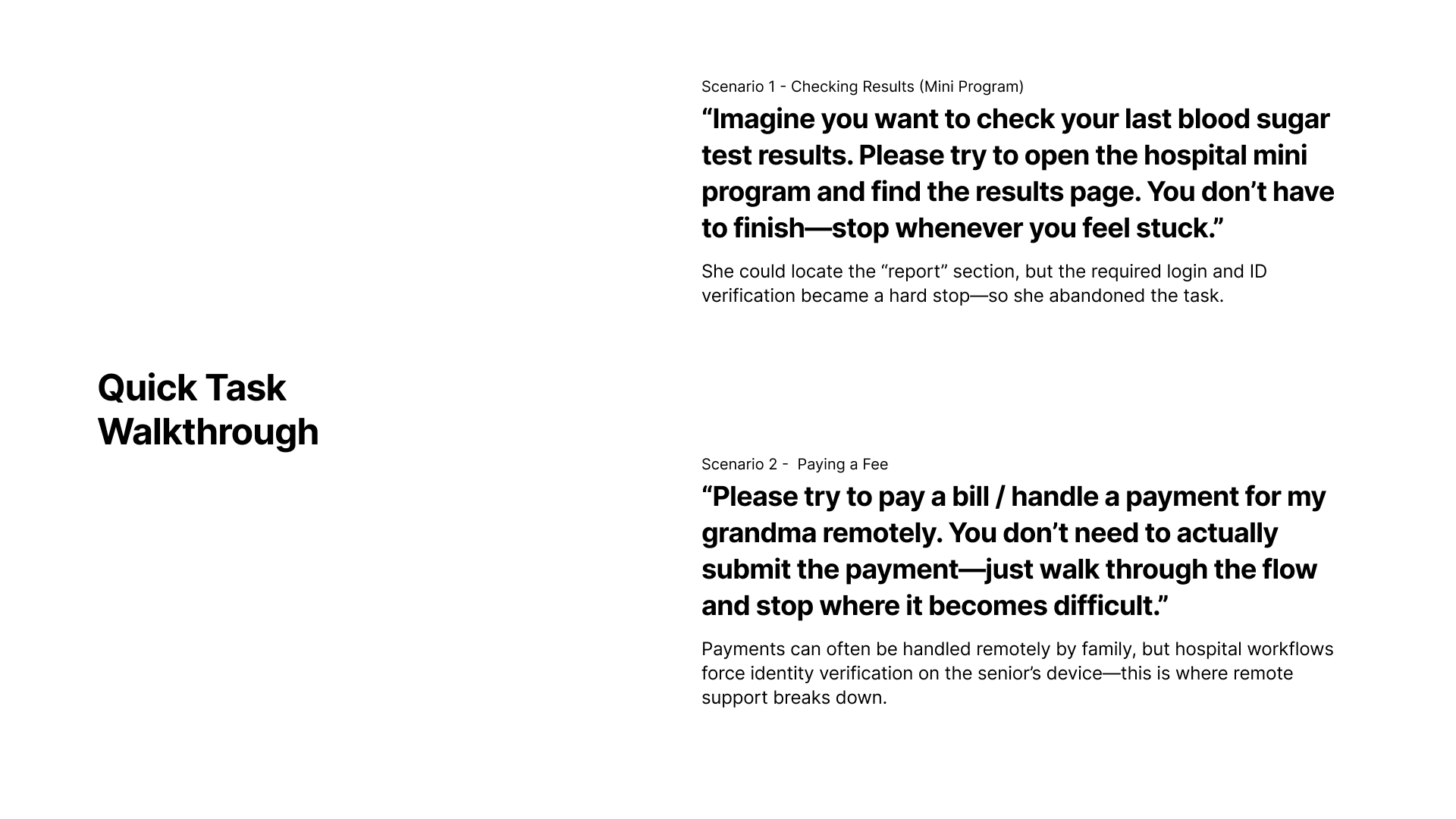
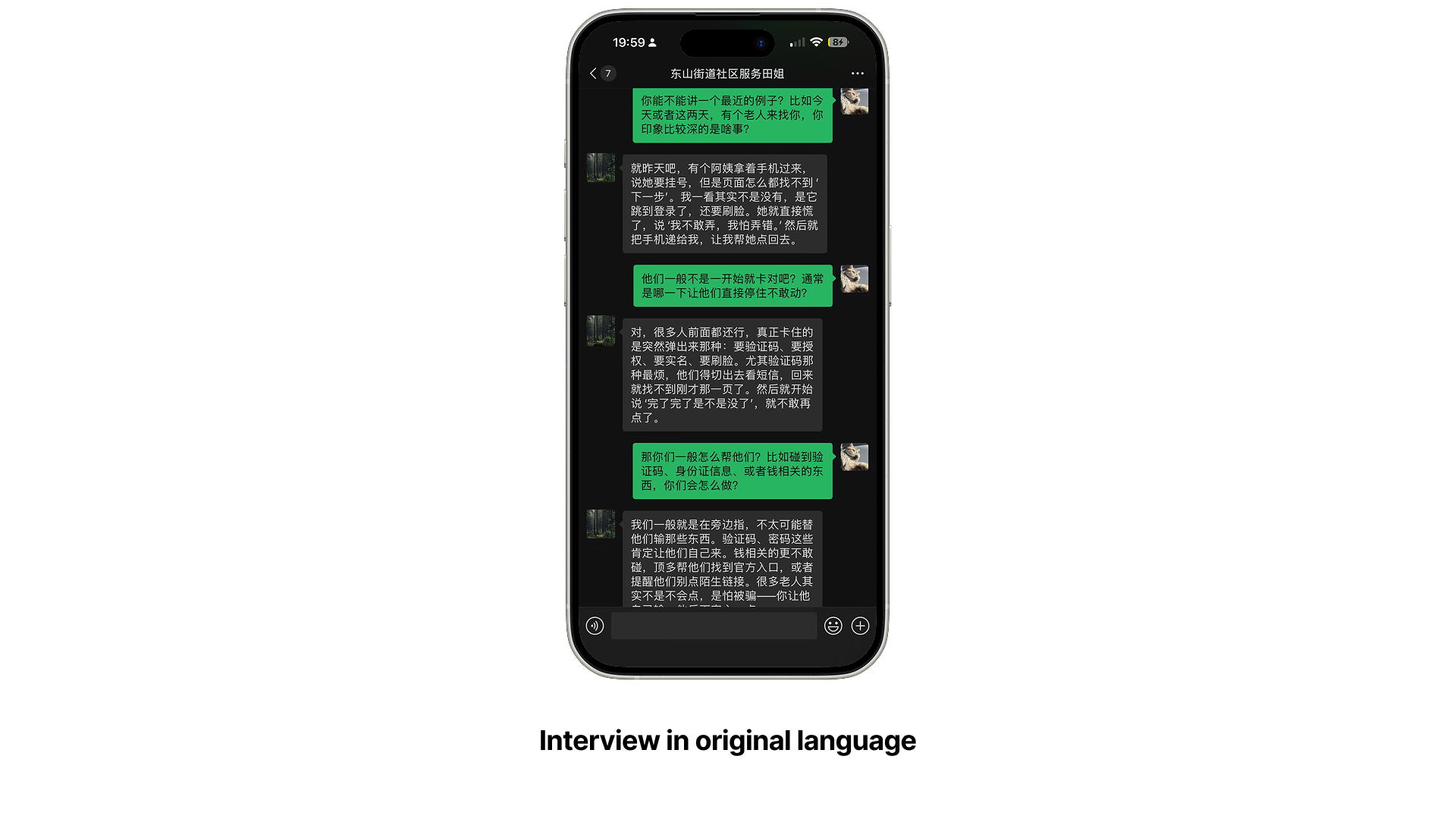
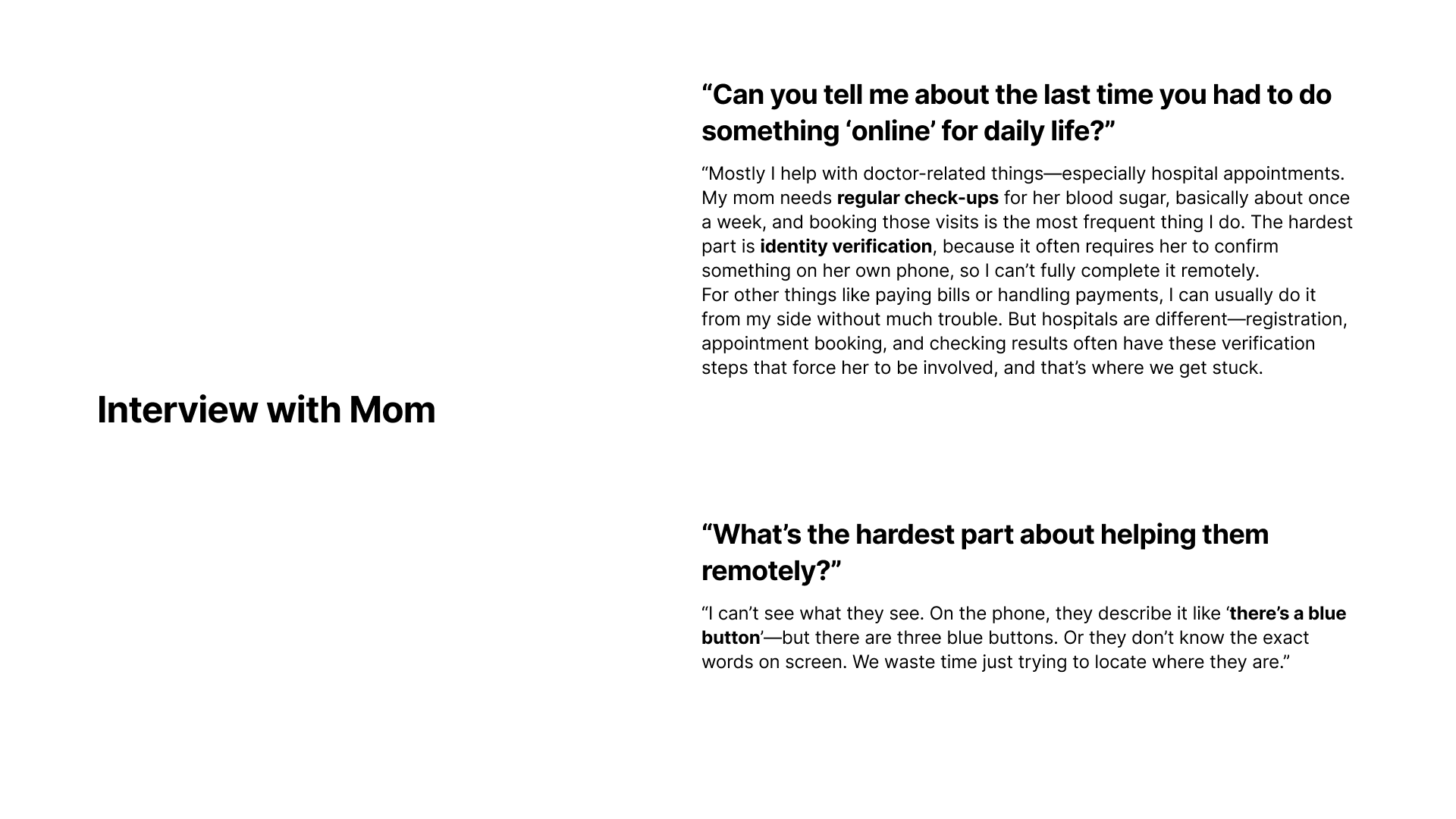
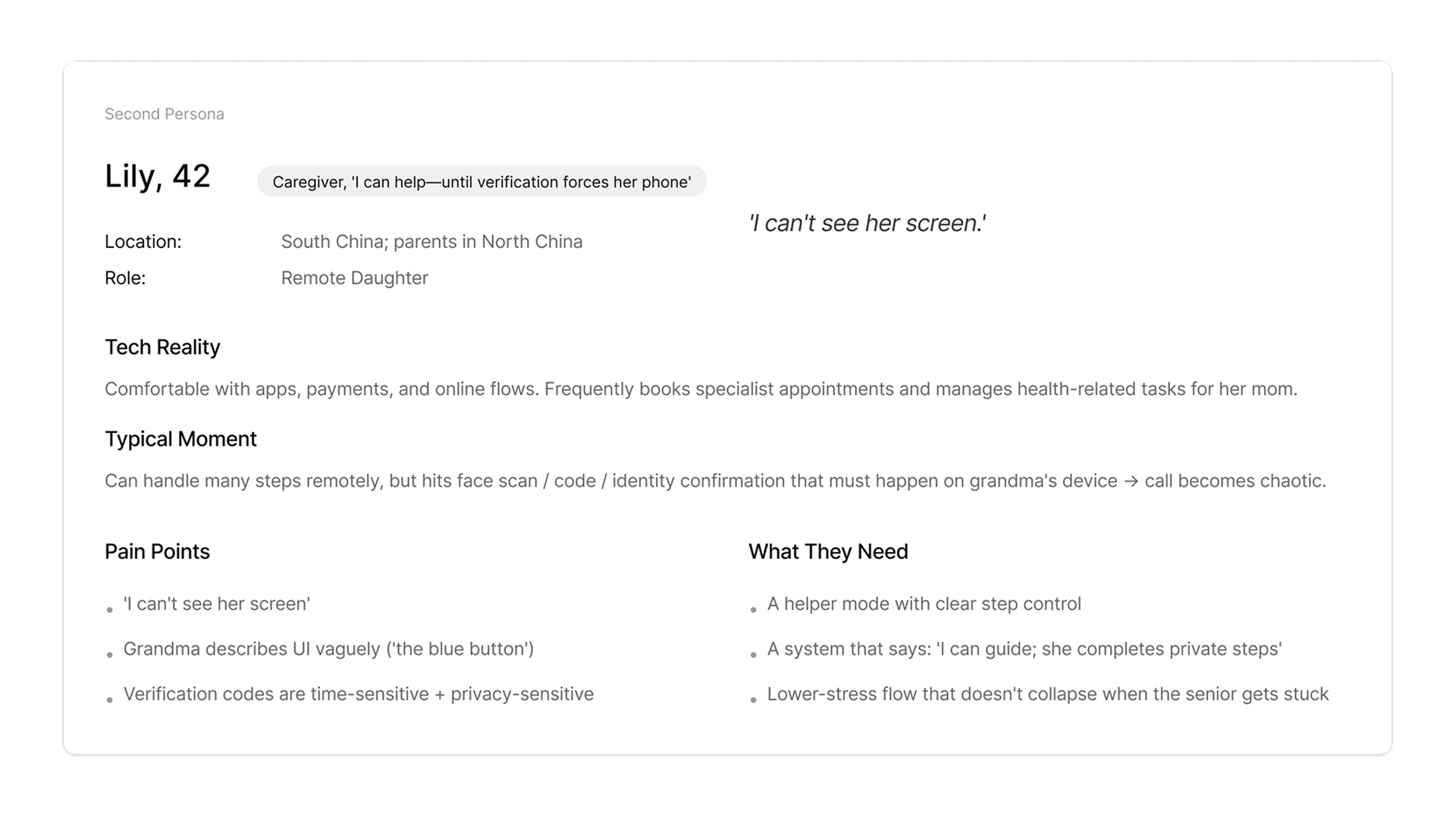
This project was informed by research into the emotional and practical challenges faced by people whose needs often remain invisible in traditional support systems. I looked at how users navigate sensitive situations such as healthcare, caregiving, and private decision-making, paying close attention to issues of trust, shame, lack of clarity, and emotional isolation. Through this research, I identified the importance of privacy, reassurance, and step-by-step guidance, which became core principles in shaping a platform that feels calm, respectful, and genuinely supportive.
Early Explorations
In the early stages of this project, I explored different ways technology could support older adults through stressful and private tasks. My first concepts focused on functional, guided interfaces, including e-reader-like screens and dual-device flows that allowed a helper to assist without seeing sensitive information. These explorations shaped the project’s core ideas around clarity, accessibility, privacy, and step-by-step support.
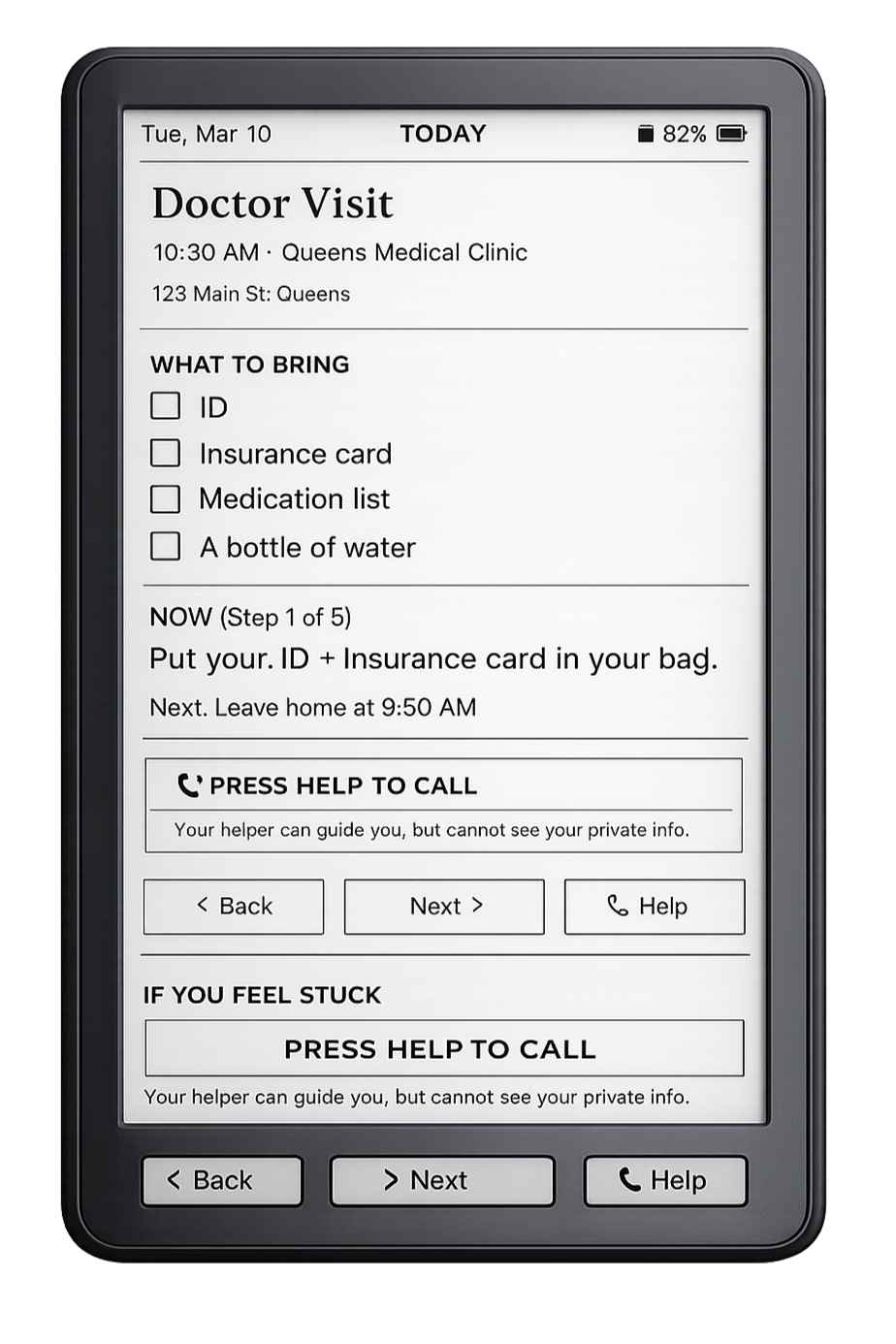
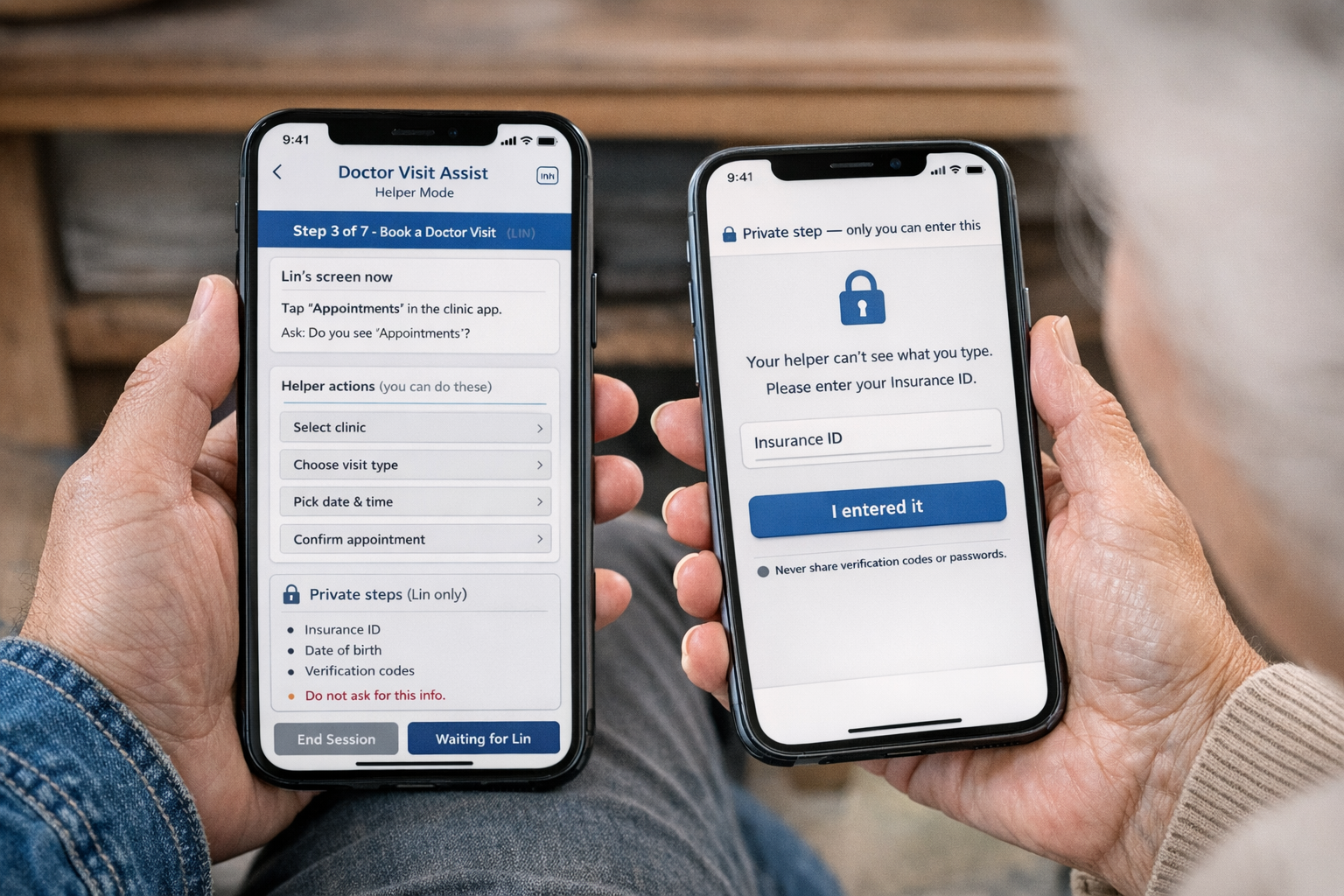
I also used AI to quickly iterate on visual direction, testing how changes in hierarchy, tone, surface treatment, and iconography could transform a screen from a rough wireframe into a more polished and product-like interface.
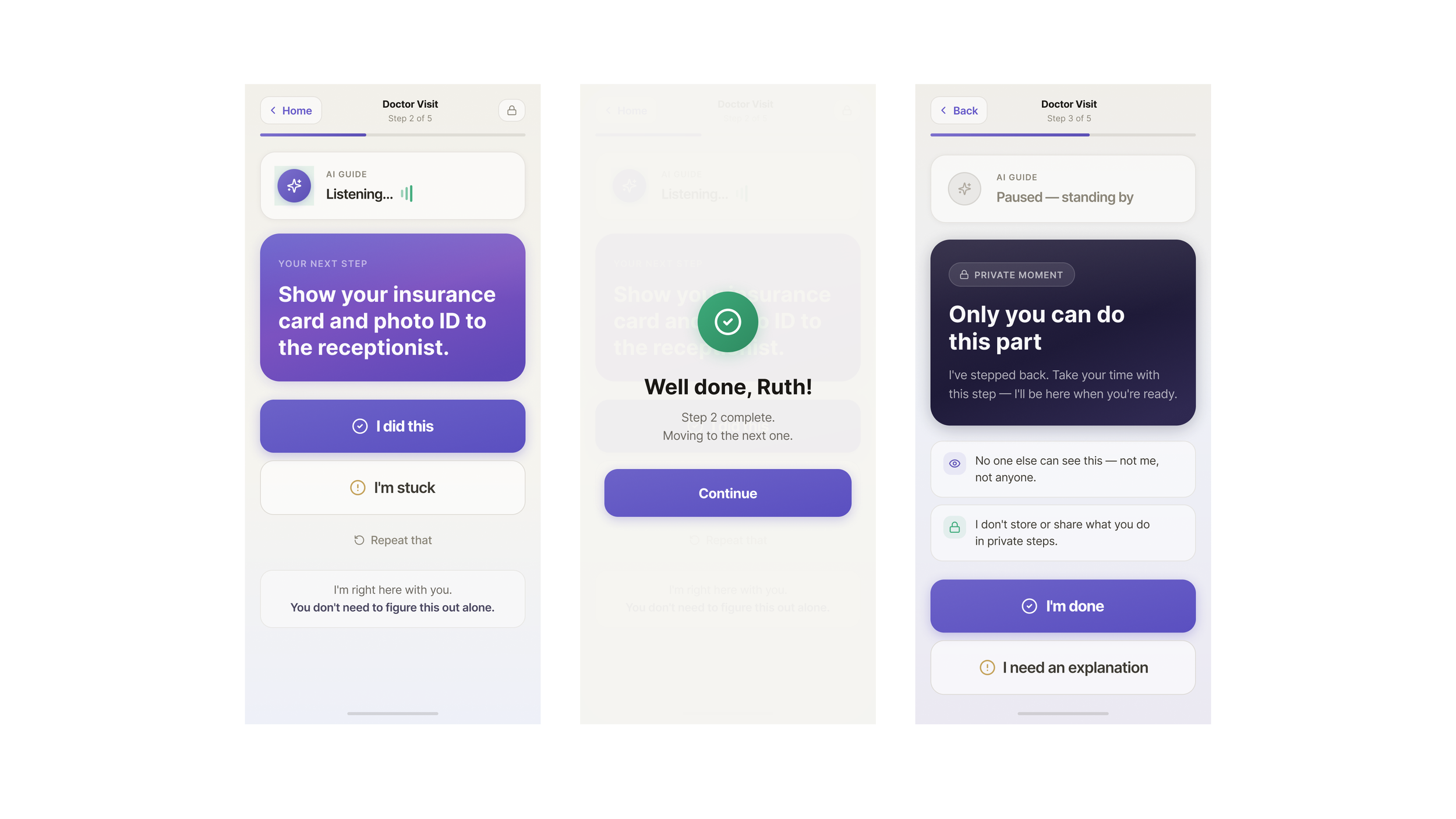
AI helped me generate and compare three distinct design directions early in the process, which allowed me to learn from each approach, identify what worked best, and refine those insights into my final design.
“After this project, I came to understand that meaningful design does not begin with assumptions — it begins with truly listening to and communicating with the people you are designing for.”
Reflection
This project taught me the value of balancing AI-driven exploration with real conversations with users. AI helped me move quickly, generate directions, and test ideas that I might not have reached as fast on my own, but speaking with users showed me what actually mattered in their lives, emotions, and daily challenges. It reminded me that AI can support the design process, but it cannot replace the insight, nuance, and trust that come from real human communication. The strongest parts of the final project came from combining both: rapid experimentation through AI and deeper understanding through listening to people.
Prototyping with AI
To quickly test and evolve the product, I used AI as part of my prototyping process across several tools, including Figma Make, the Pencil extension in Cursor, and Claude. Each tool helped in a different way: Figma Make allowed me to rapidly generate interface directions, Pencil in Cursor helped me explore layout and product flows in a more iterative way, and Claude supported idea development, writing, and refining interactions. Rather than treating AI as a final design solution, I used it as a thinking partner to speed up exploration, compare possibilities, and move more fluidly between concept, structure, and interface.
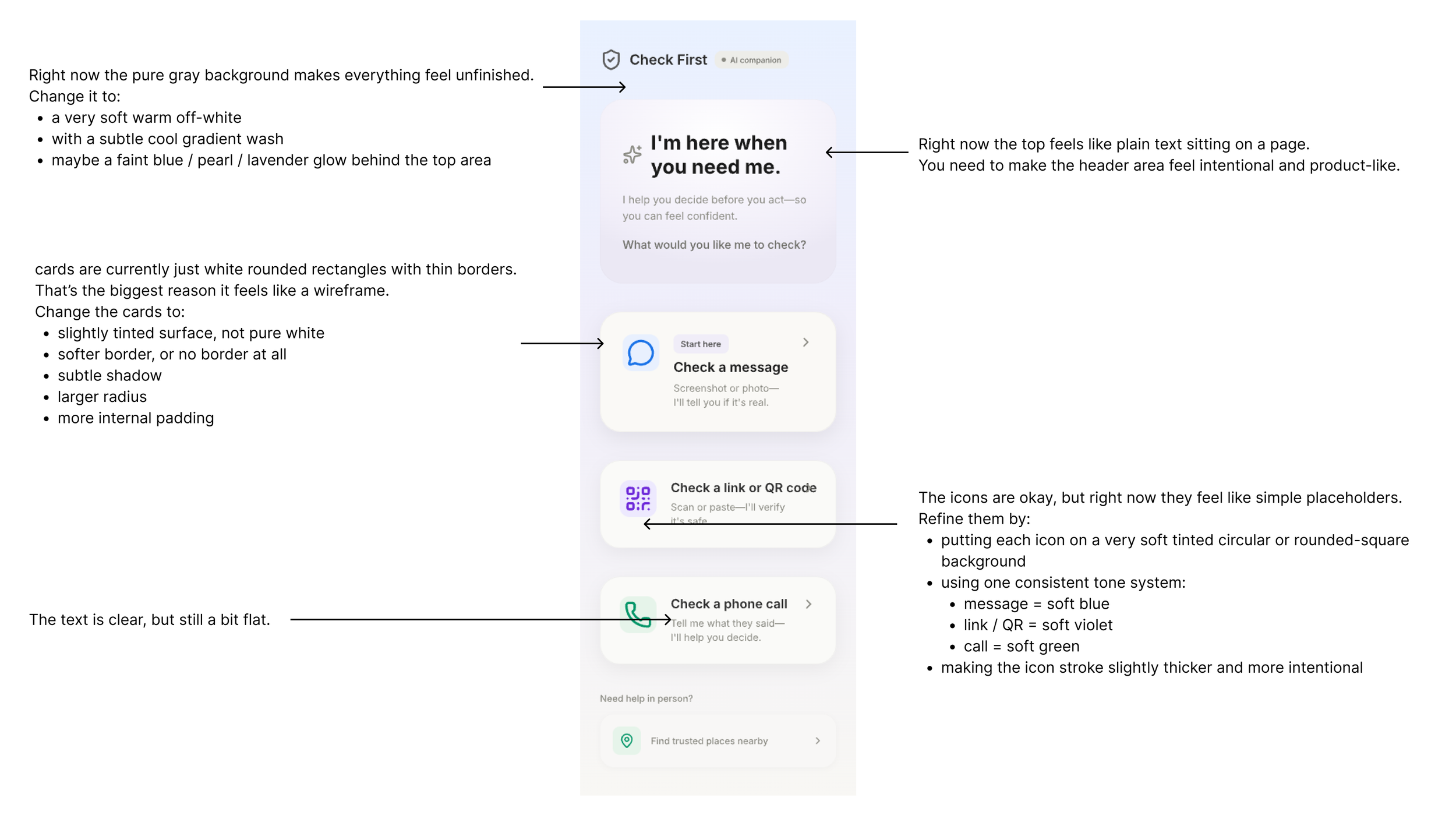
AI helped me rapidly explore my idea through multiple interface directions, allowing me to test different flows, tones, and interaction patterns before refining them into a more focused design system.
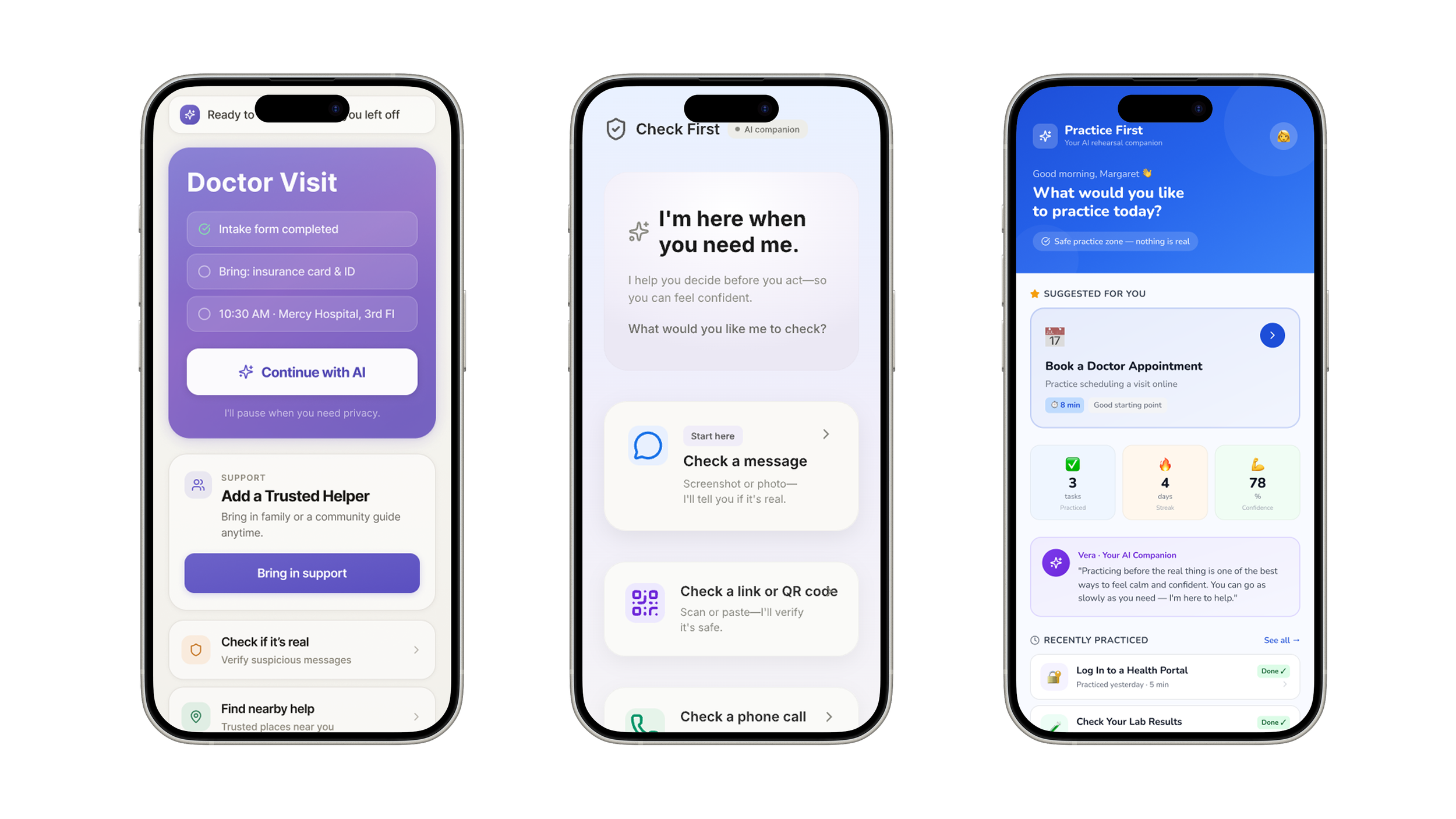
Final Version
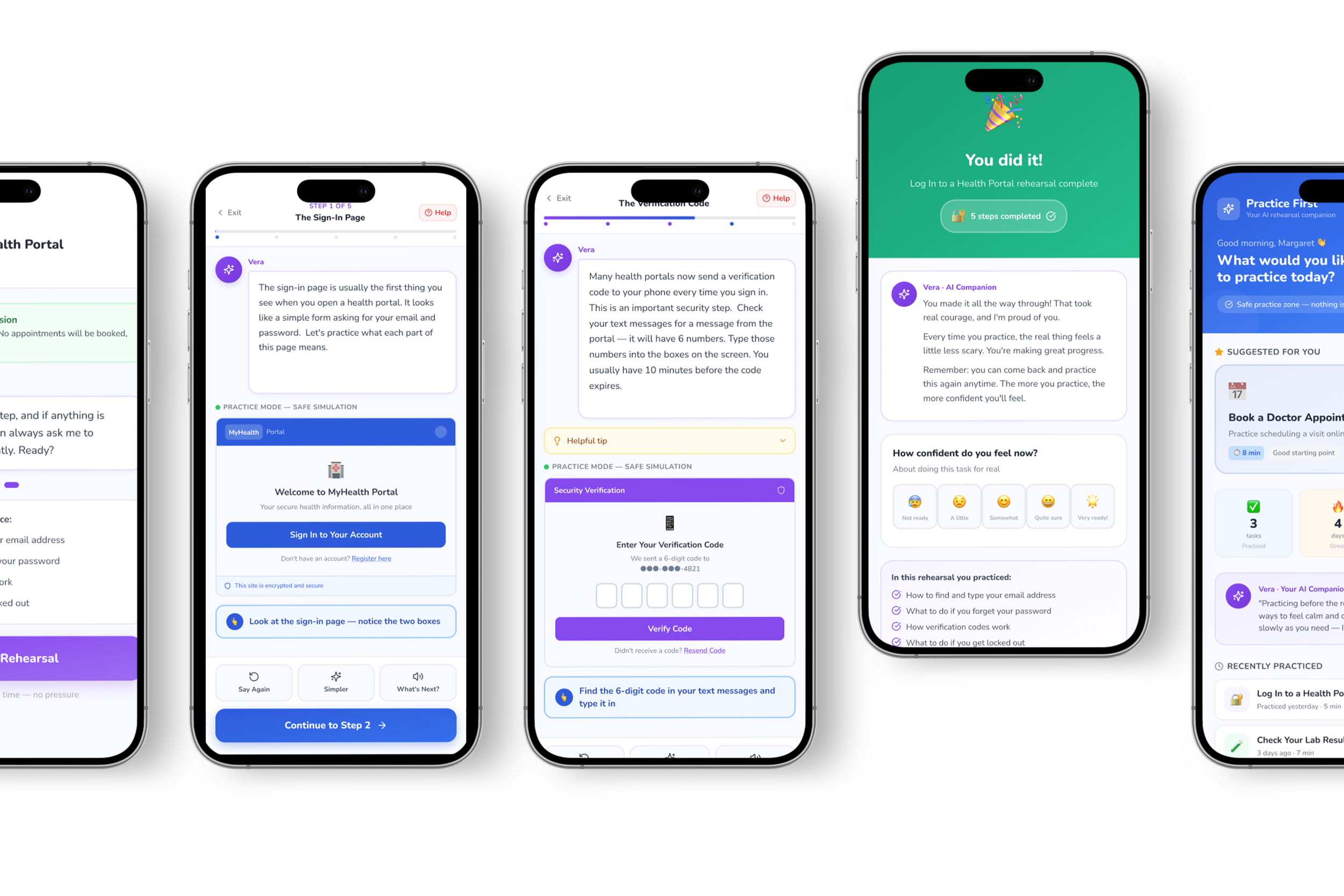
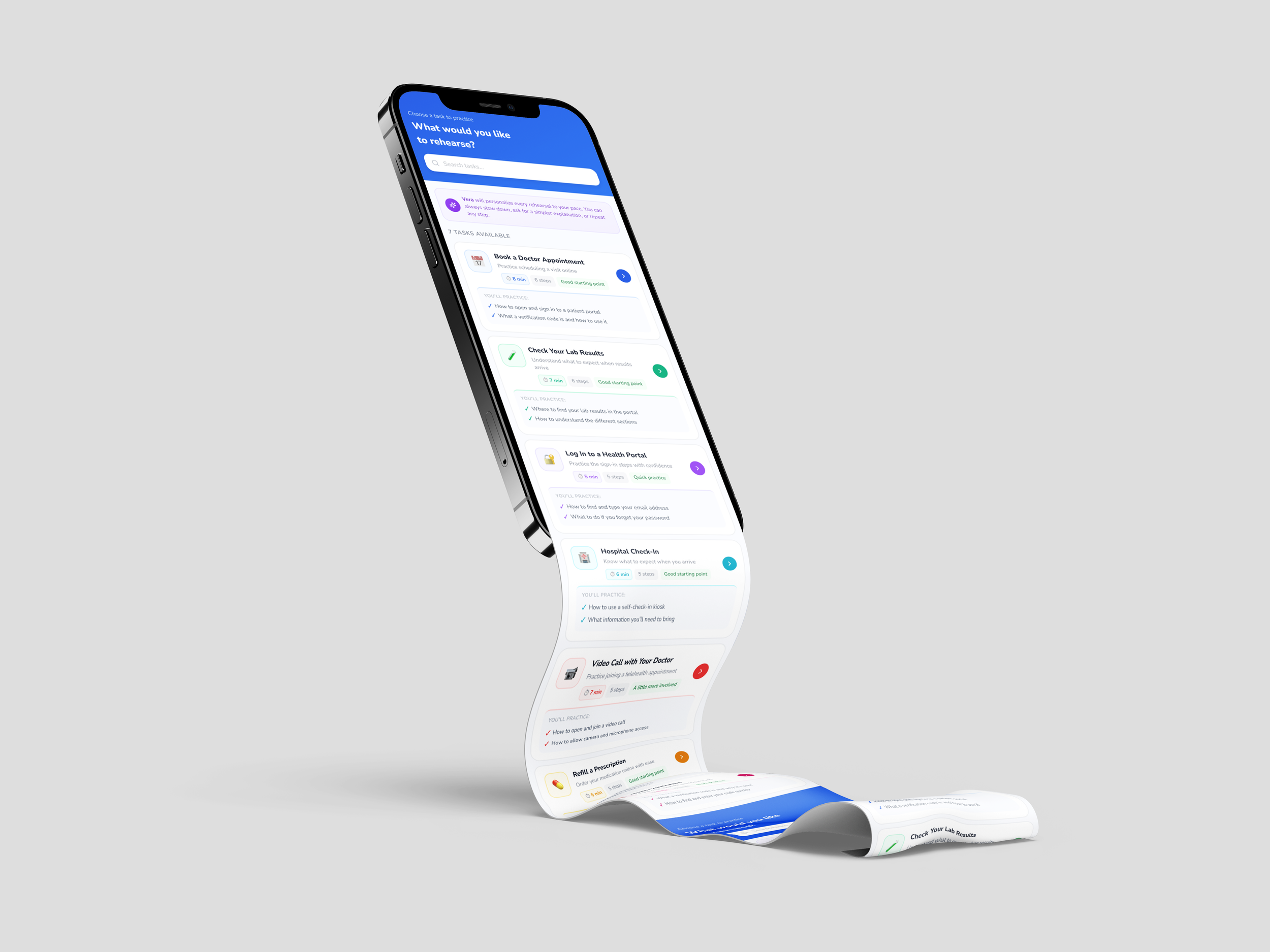
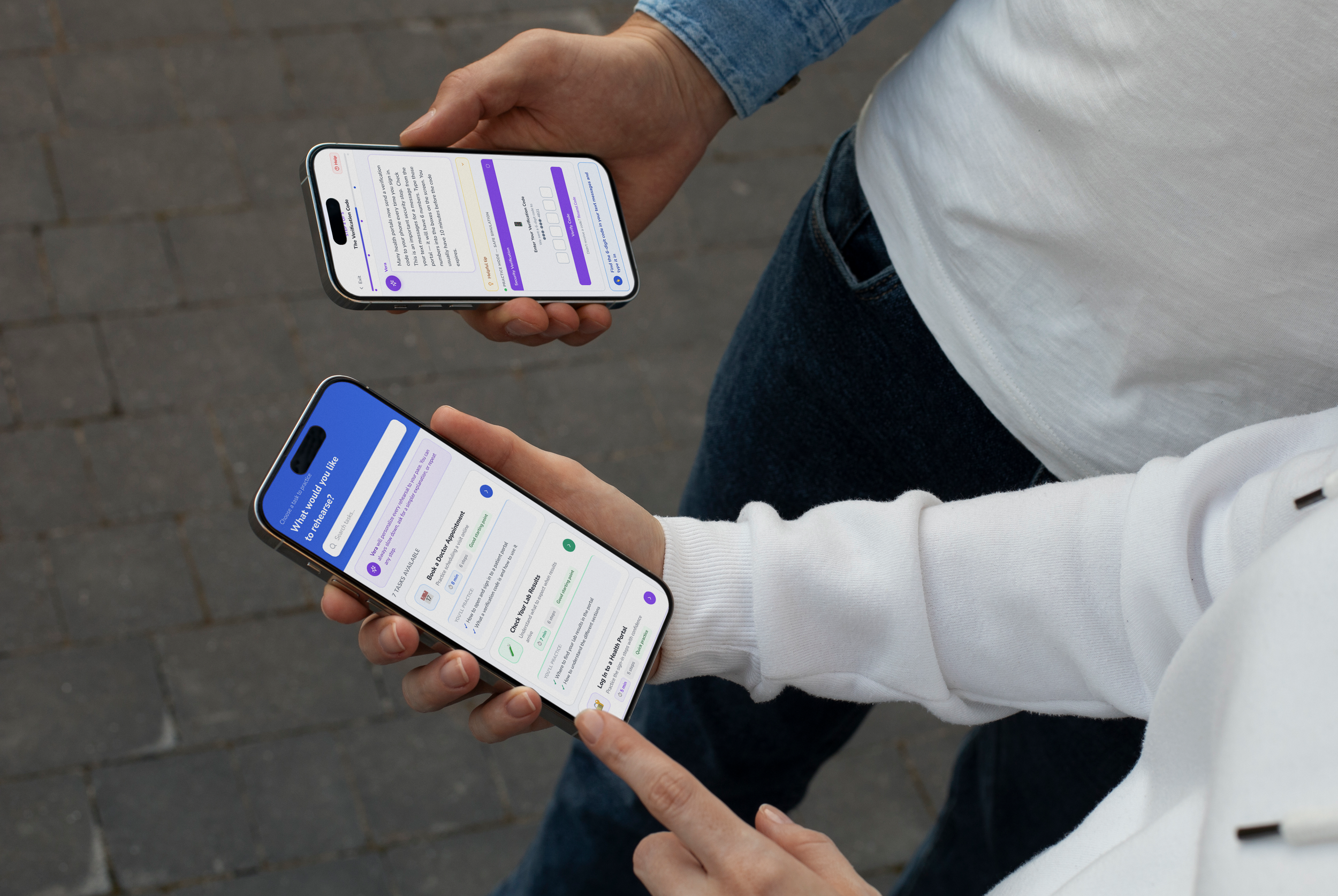
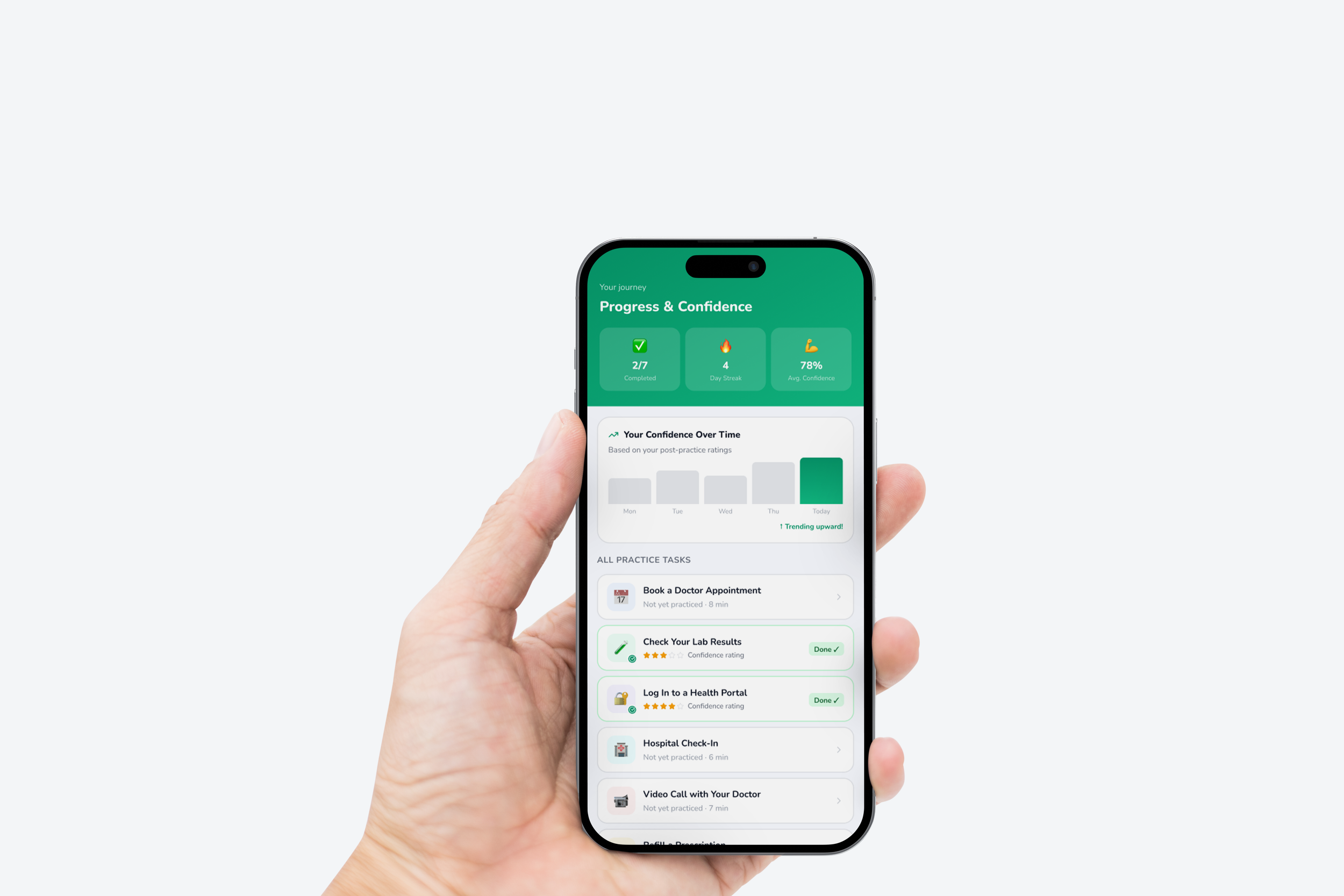
The final design centers on an AI companion built into the app, guiding older adults through unfamiliar digital tasks with clear, step-by-step support, reassurance, and practice-based learning. Beyond the AI bot, the platform includes features designed to reduce stress and build confidence, such as task rehearsal, progress tracking, simple explanations, private moments for sensitive information, and access to trusted support when needed. Together, these functions create a more supportive, accessible, and confidence-building experience for elders navigating healthcare and other important digital systems.