Sweet & Bitter
A dual-nature conversation app that generates both helpful small-talk starters and fictional gossip prompts, using humor and reflection to improve real-world communication.
UIUX Design
Branding
Adobe Photoshop
Figma
Individual Project
3 - week course project
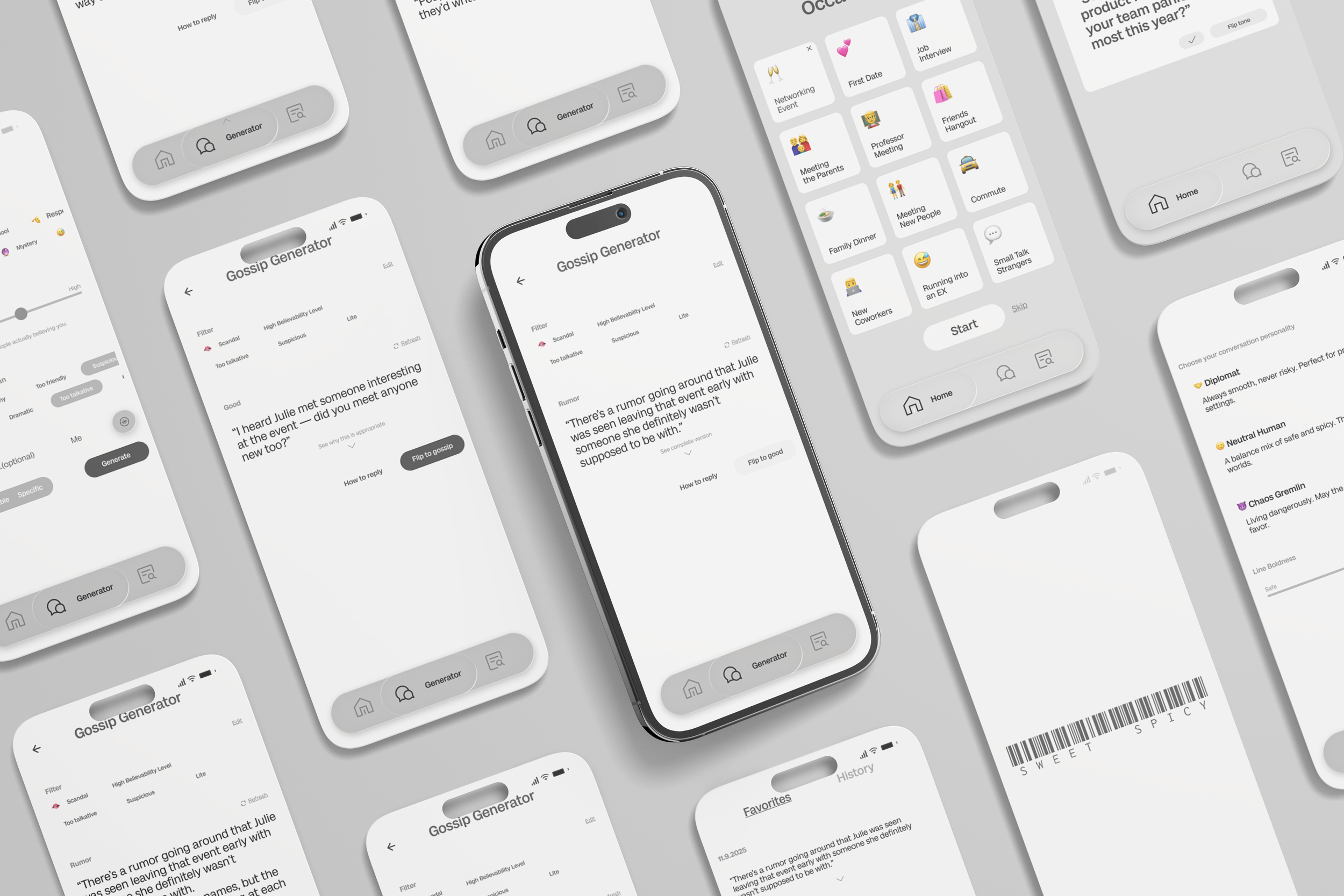
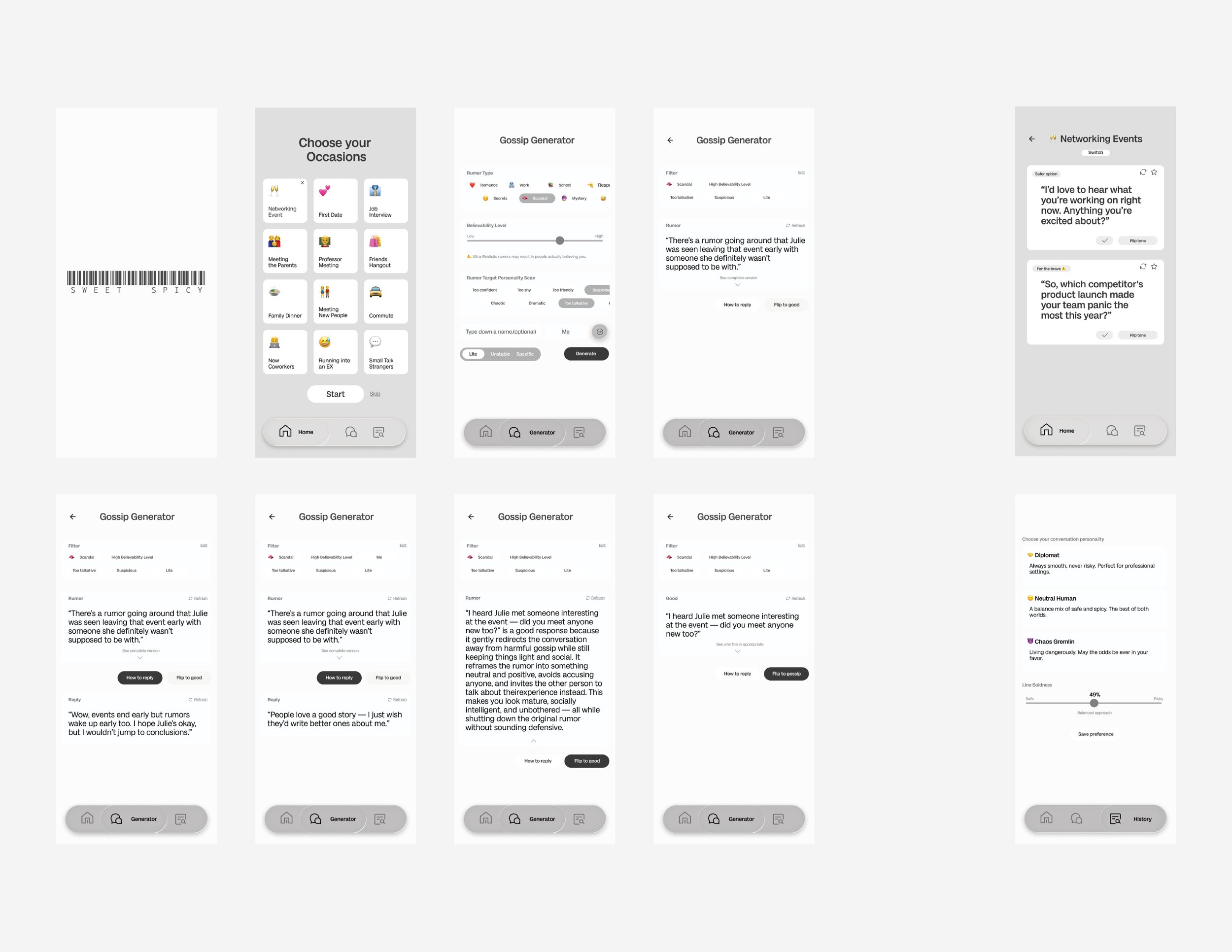
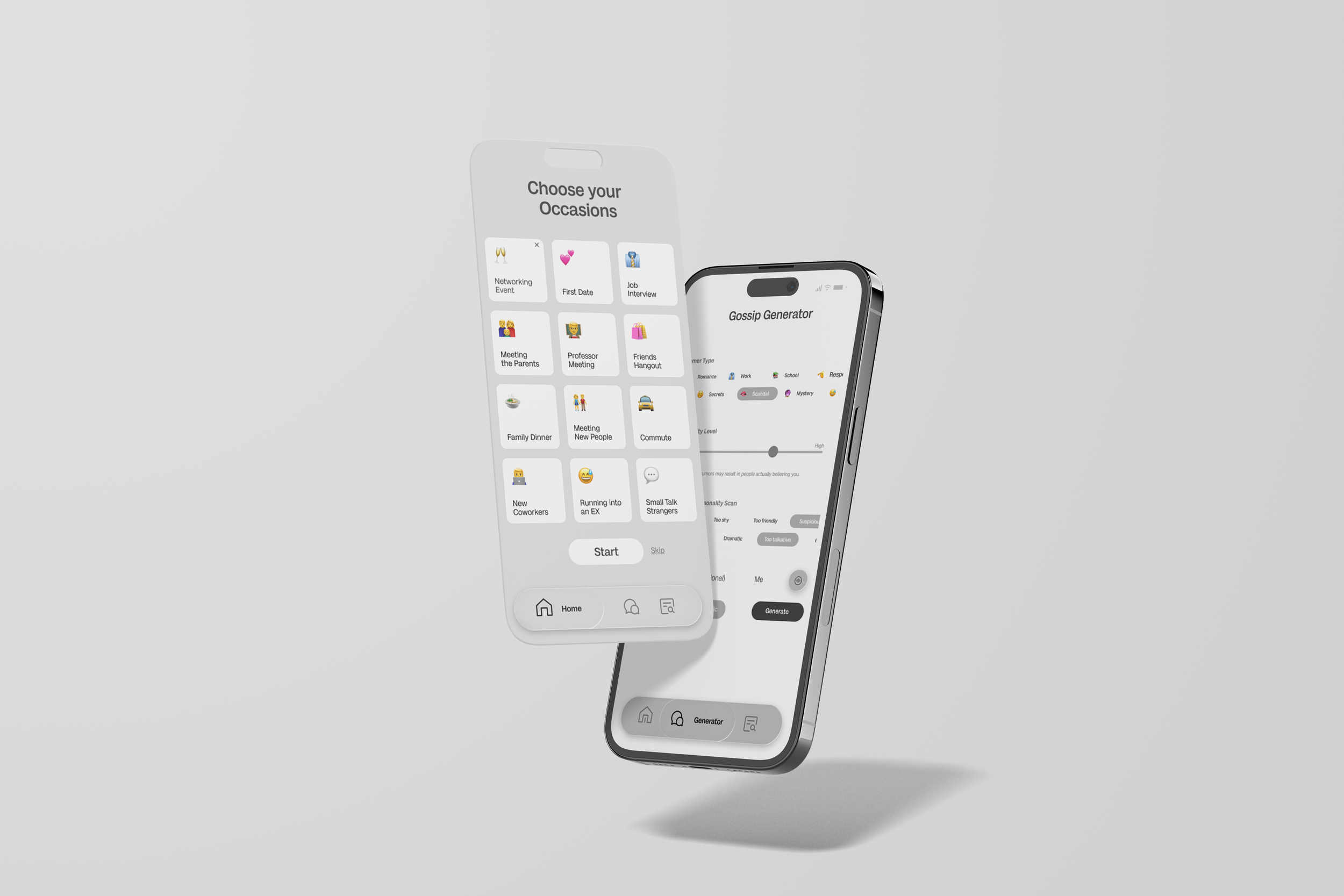
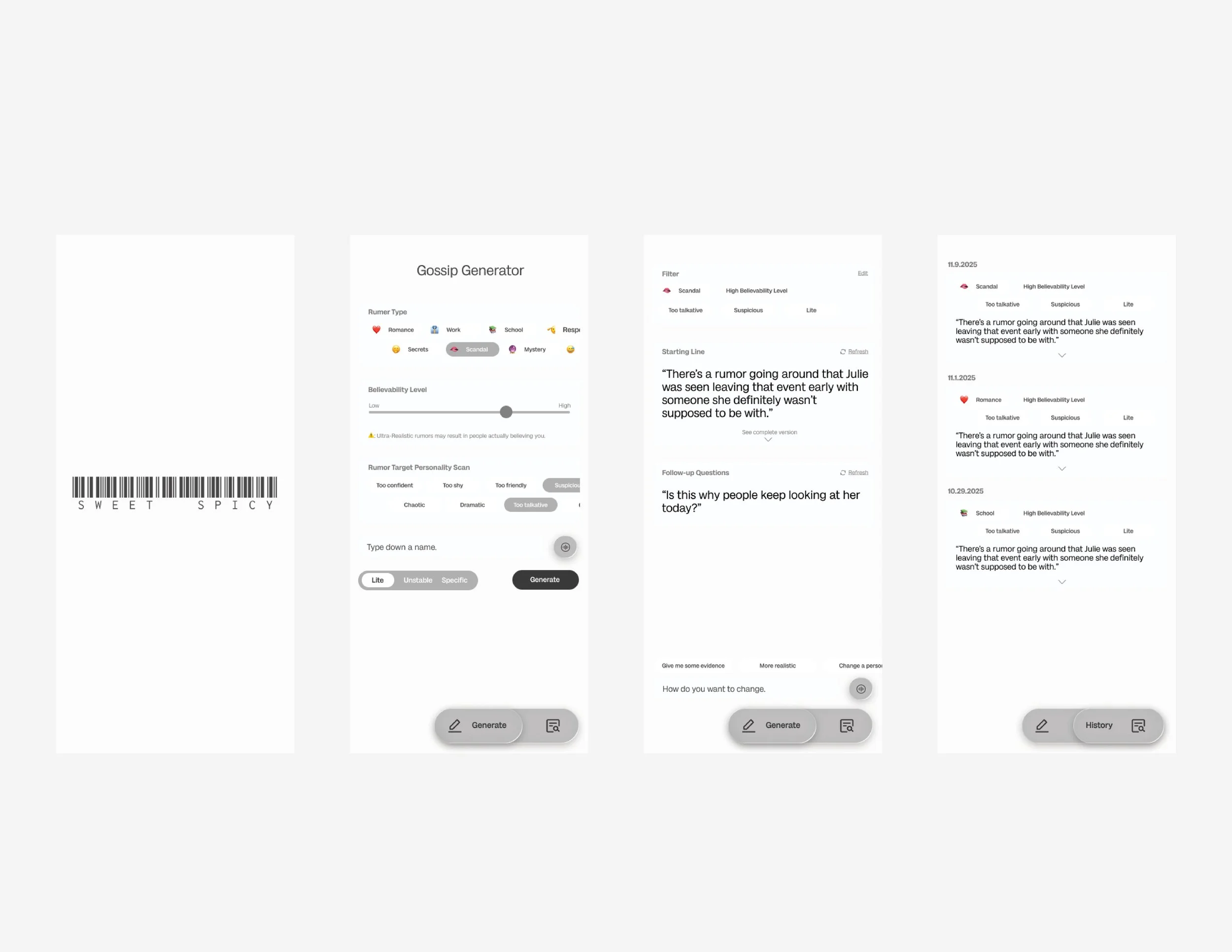
This project explores how people communicate by creating an app that combines two opposing functions: effective conversation starters for real-life occasions and humorous gossip generators designed for storytelling, self-reflection, and entertainment. Users can switch between supportive, confidence-building prompts and playful, fictional rumors that highlight how narratives form and spread.
“I made this app because I’ve always overthought what to say — I just wanted something that could help me laugh at the awkwardness instead of fear it.”
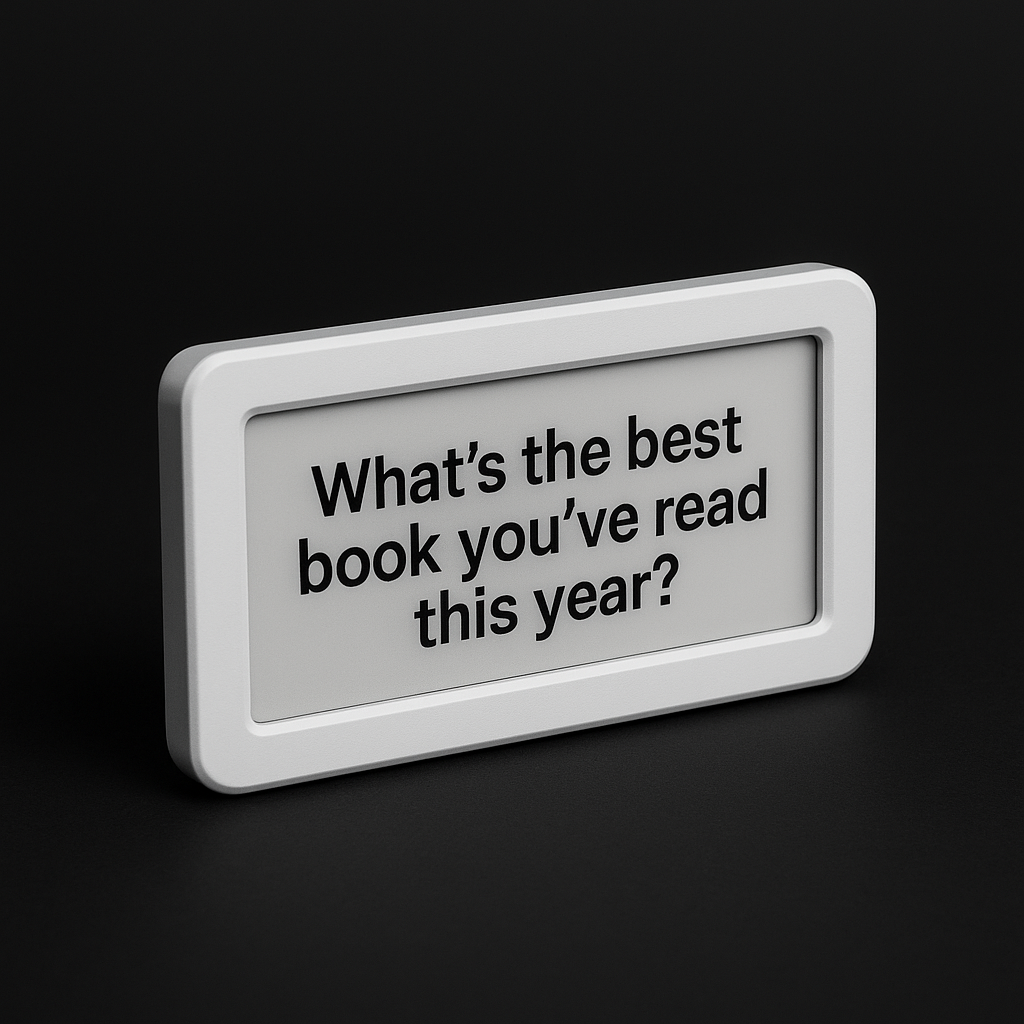
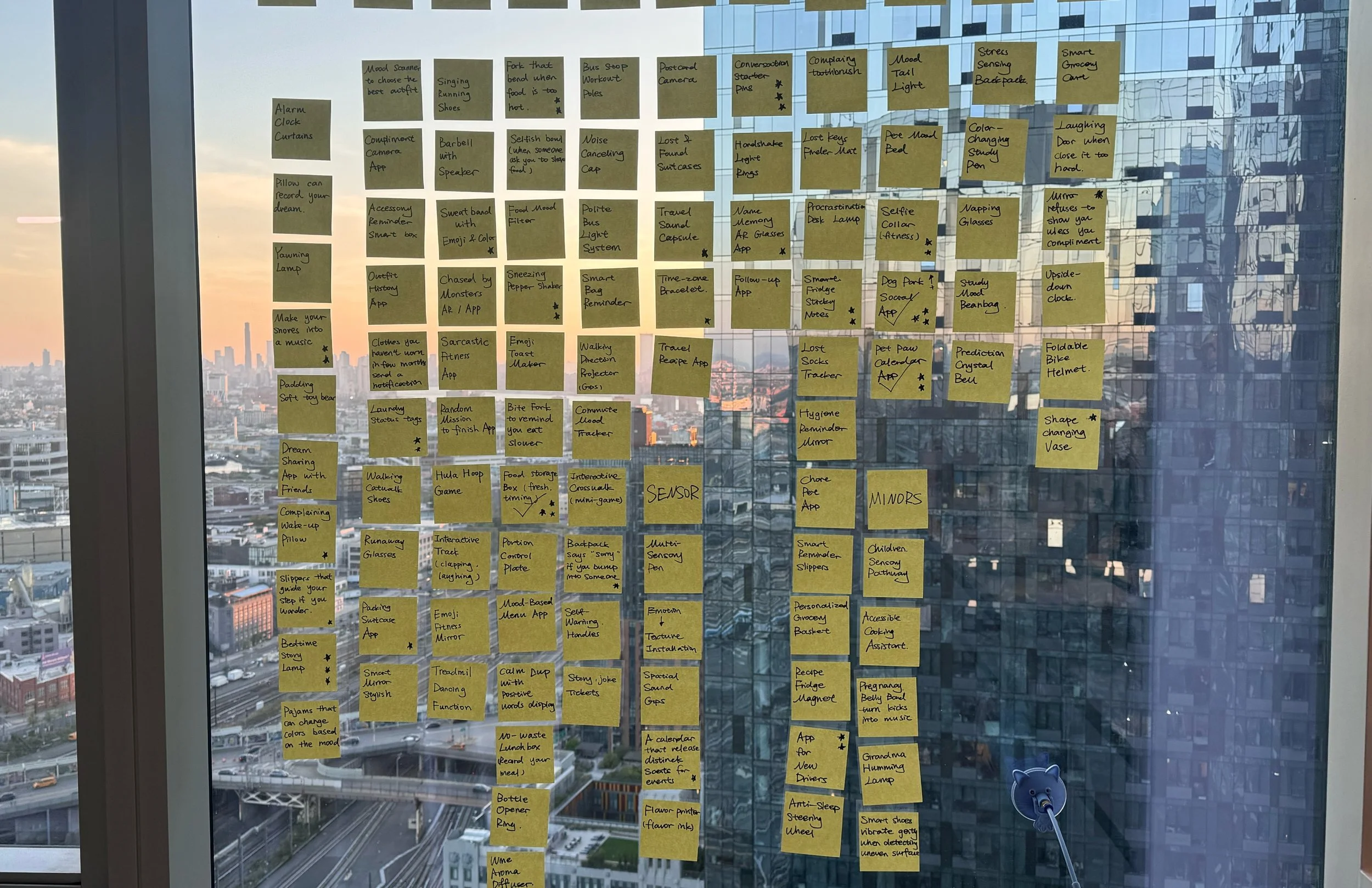
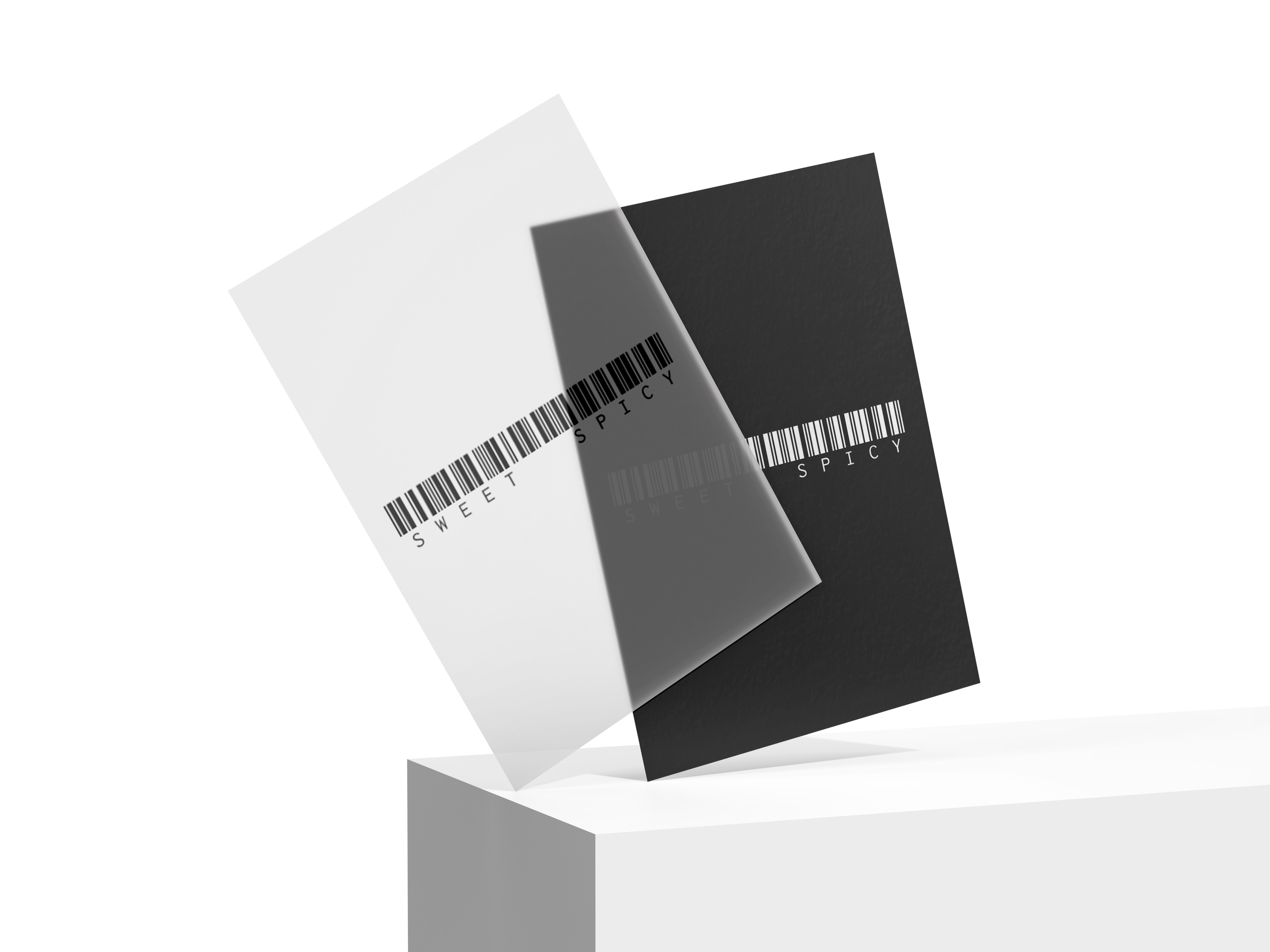
Sketches & Early Concepts
Early explorations for an app that helps people navigate social situations through two lenses: genuine connection and mischievous chaos. These sketches illustrate how conversation starters, rumor generation, and self-reflection tools can coexist within a single playful ecosystem, demonstrating the evolution from initial sticky-note ideation to a unified interaction model.
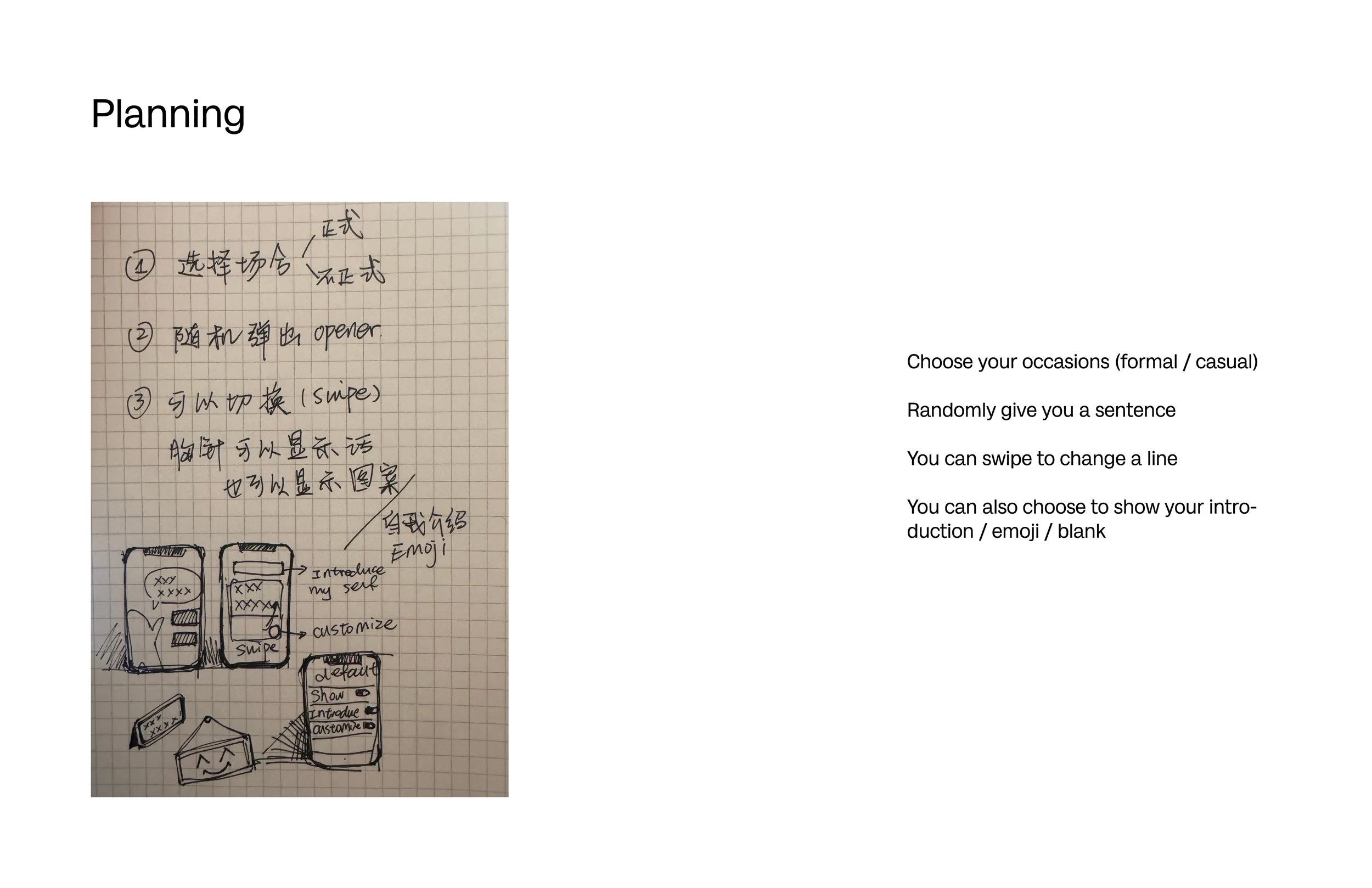
Early Explorations
These initial sketches capture the early version of my concept, when the project existed as two separate apps — a “Good” app that generated helpful, warm conversation starters, and an “Evil” app that created chaotic rumors and playful gossip. At this stage, I explored how tone, UI, and interaction patterns could express two opposite social behaviors, laying the foundation for the eventual unified dual-mode experience.
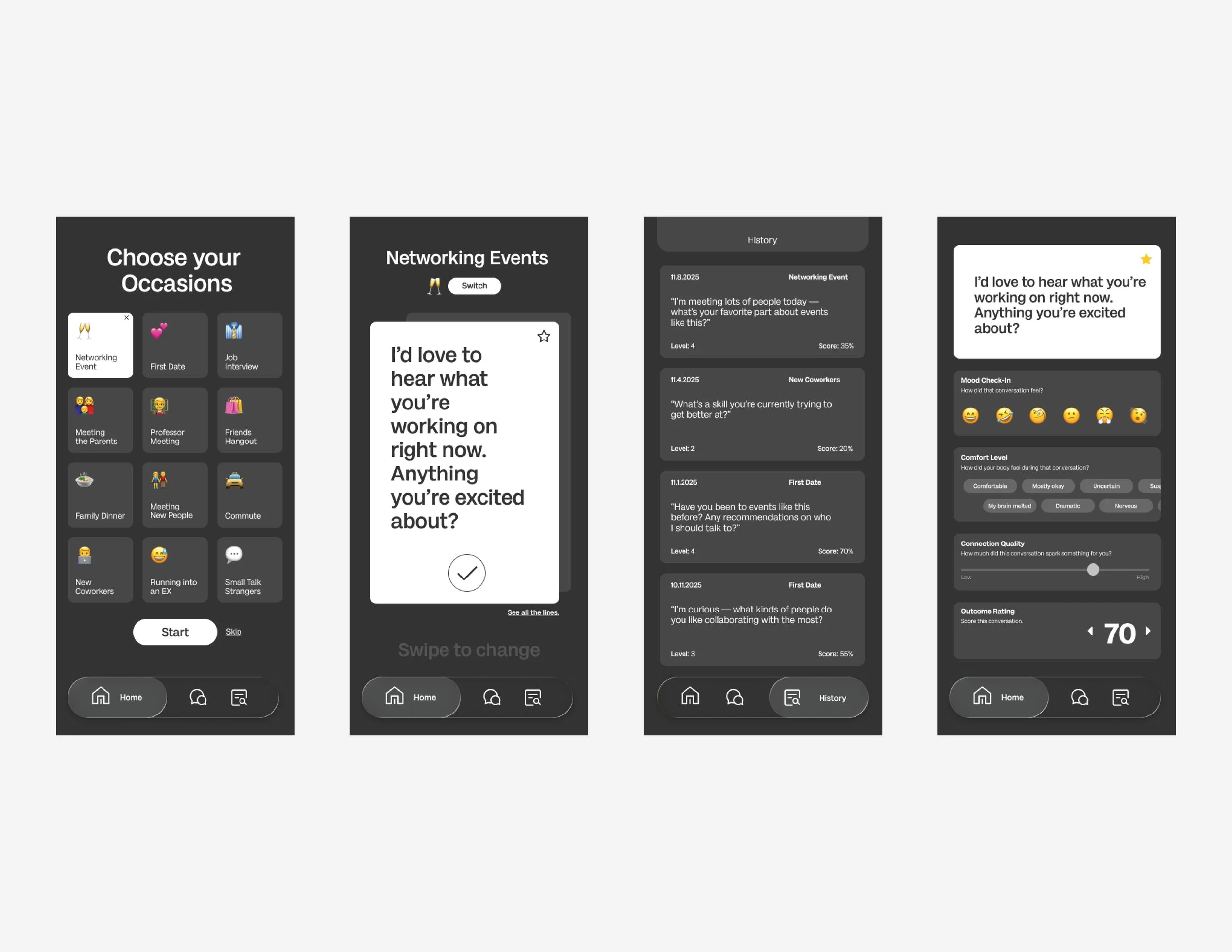
“Blending the good and the messy felt real to me — conversations aren’t perfect, and I wanted an app that helps people navigate that with honesty and humor.”
Reflection
Working on this project made me realize how messy and funny human communication really is. At first, splitting the app into “good” and “evil” felt simple — almost too simple. However, combining them pushed me to think more deeply about how people actually talk, joke, misunderstand, and recover. It taught me that design isn’t just about features; it’s about helping people navigate the awkward, chaotic, and honest moments that make conversations real.
Final Outcomes
Users can move naturally between connection and play, learning how tone affects communication. The final app isn’t about being good or evil — it’s about understanding how conversations work, how rumors spread, and how we choose to present ourselves. It becomes both a tool and a mirror for social behavior.